Notice: Function _load_textdomain_just_in_time was called incorrectly. Translation loading for the redux-framework domain was triggered too early. This is usually an indicator for some code in the plugin or theme running too early. Translations should be loaded at the init action or later. Please see Debugging in WordPress for more information. (This message was added in version 6.7.0.) in /home/yk95wrx7lzx2/iacvs.org/wp-includes/functions.php on line 6170

Notice: Function _load_textdomain_just_in_time was called incorrectly. Translation loading for the redux-framework domain was triggered too early. This is usually an indicator for some code in the plugin or theme running too early. Translations should be loaded at the init action or later. Please see Debugging in WordPress for more information. (This message was added in version 6.7.0.) in /home/yk95wrx7lzx2/iacvs.org/wp-includes/functions.php on line 6170

Notice: Function _load_textdomain_just_in_time was called incorrectly. Translation loading for the keydesign domain was triggered too early. This is usually an indicator for some code in the plugin or theme running too early. Translations should be loaded at the init action or later. Please see Debugging in WordPress for more information. (This message was added in version 6.7.0.) in /home/yk95wrx7lzx2/iacvs.org/wp-includes/functions.php on line 6170

Notice: Function _load_textdomain_just_in_time was called incorrectly. Translation loading for the visitors-traffic-real-time-statistics domain was triggered too early. This is usually an indicator for some code in the plugin or theme running too early. Translations should be loaded at the init action or later. Please see Debugging in WordPress for more information. (This message was added in version 6.7.0.) in /home/yk95wrx7lzx2/iacvs.org/wp-includes/functions.php on line 6170

Notice: Function _load_textdomain_just_in_time was called incorrectly. Translation loading for the visitors-traffic-real-time-statistics domain was triggered too early. This is usually an indicator for some code in the plugin or theme running too early. Translations should be loaded at the init action or later. Please see Debugging in WordPress for more information. (This message was added in version 6.7.0.) in /home/yk95wrx7lzx2/iacvs.org/wp-includes/functions.php on line 6170

Notice: Function _load_textdomain_just_in_time was called incorrectly. Translation loading for the wordpress-seo domain was triggered too early. This is usually an indicator for some code in the plugin or theme running too early. Translations should be loaded at the init action or later. Please see Debugging in WordPress for more information. (This message was added in version 6.7.0.) in /home/yk95wrx7lzx2/iacvs.org/wp-includes/functions.php on line 6170

Notice: Function _load_textdomain_just_in_time was called incorrectly. Translation loading for the breadcrumb-navxt domain was triggered too early. This is usually an indicator for some code in the plugin or theme running too early. Translations should be loaded at the init action or later. Please see Debugging in WordPress for more information. (This message was added in version 6.7.0.) in /home/yk95wrx7lzx2/iacvs.org/wp-includes/functions.php on line 6170

Notice: Function _load_textdomain_just_in_time was called incorrectly. Translation loading for the ekko domain was triggered too early. This is usually an indicator for some code in the plugin or theme running too early. Translations should be loaded at the init action or later. Please see Debugging in WordPress for more information. (This message was added in version 6.7.0.) in /home/yk95wrx7lzx2/iacvs.org/wp-includes/functions.php on line 6170

Deprecated: Required parameter $parent follows optional parameter $field in /home/yk95wrx7lzx2/iacvs.org/wp-content/plugins/keydesign-addon/extensions/social_profiles/social_profiles/field_social_profiles.php on line 49

Deprecated: Required parameter $endpoint follows optional parameter $args in /home/yk95wrx7lzx2/iacvs.org/wp-content/plugins/breadcrumb-navxt/class.bcn_rest_controller.php on line 64

Warning: Cannot modify header information - headers already sent by (output started at /home/yk95wrx7lzx2/iacvs.org/wp-includes/functions.php:6170) in /home/yk95wrx7lzx2/iacvs.org/wp-includes/feed-rss2.php on line 8
Child Vaccination – The International Association for Child Vaccine Safety™ https://kvunjsh4qfhtx44m.thechildvaccinesafetyassociation.org Fri, 05 Nov 2021 08:58:24 +0000 en-US hourly 1 https://wordpress.org/?v=7.0 https://kvunjsh4qfhtx44m.thechildvaccinesafetyassociation.org/wp-content/uploads/2021/09/cropped-logo-32x32.png Child Vaccination – The International Association for Child Vaccine Safety™ https://kvunjsh4qfhtx44m.thechildvaccinesafetyassociation.org 32 32 Child Vaccination Against COVID-19: Who to Trust https://kvunjsh4qfhtx44m.thechildvaccinesafetyassociation.org/child-vaccination-against-covid-19-who-to-trust/ https://kvunjsh4qfhtx44m.thechildvaccinesafetyassociation.org/child-vaccination-against-covid-19-who-to-trust/#respond Wed, 24 Nov 2021 09:00:31 +0000 https://kvunjsh4qfhtx44m.thechildvaccinesafetyassociation.org/?p=8105 The post Child Vaccination Against COVID-19: Who to Trust appeared first on The International Association for Child Vaccine Safety™.

]]>

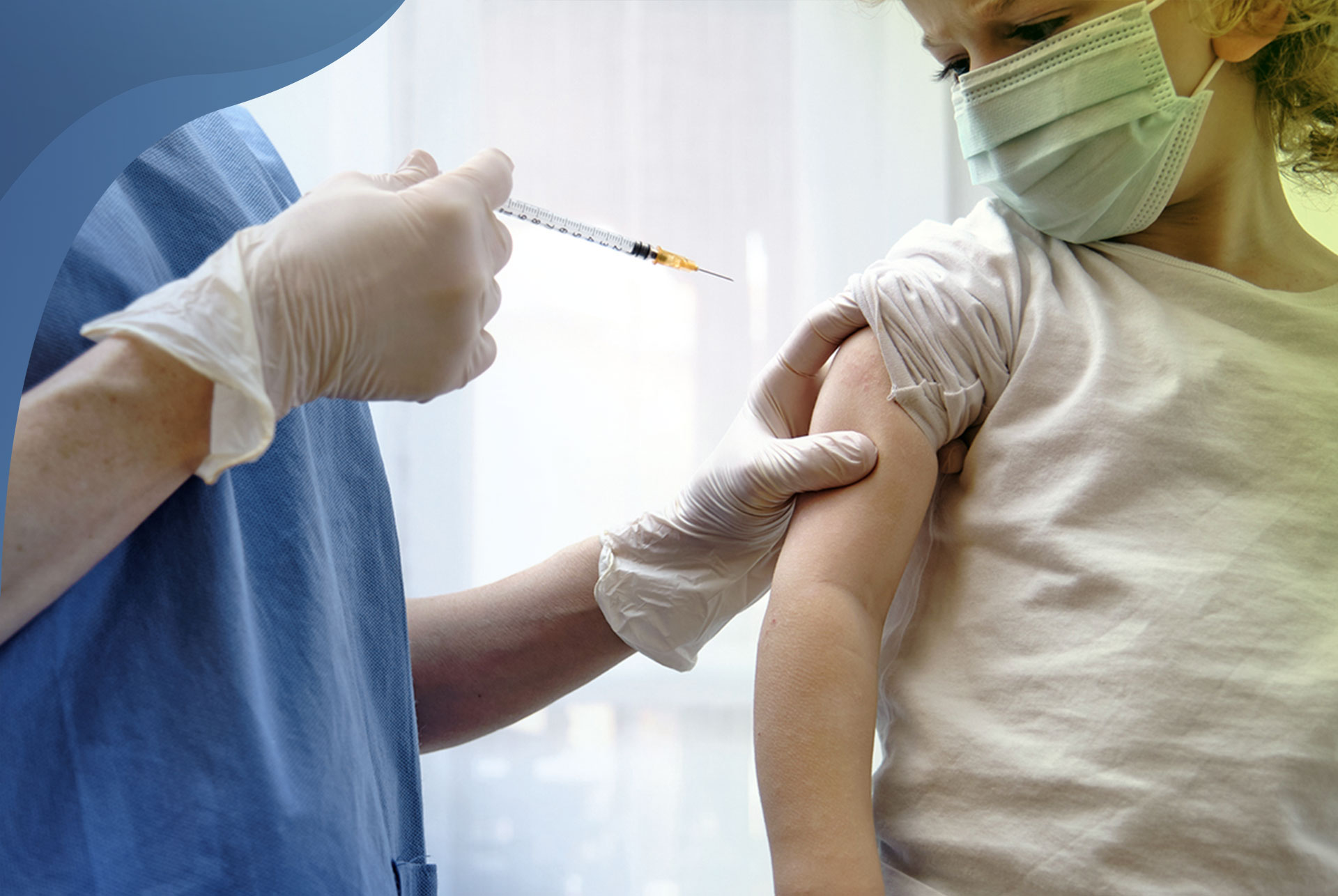
If you haven’t already received the vaccine update from your child’s school or heard of it from the news, the COVID-19 vaccine is now being given to children and adolescents aged 12 and above. While the vaccines have already been administered to children in their schools, there are several parents and medical professionals still calling to halt the vaccine rollout. There was even an initial conflict between the bodies advising and approving the vaccine.  

Here is where these groups stand on the child vaccination debate. 

Joint Committee on Vaccination and Immunisation (JCVI) 

The Joint Committee on Vaccination and Immunisation is an independent committee of medical experts who advise the UK government and its health departments across England, Scotland, Wales, and Northern Ireland on immunisation and prevention of infectious disease. They review data on the impact of a disease, results from clinical trials, vaccine safety and efficacy, and the cost-effectiveness of the immunisation strategy.    

The JCVI has not recommended the vaccination of children aged 12 to 15 due to their low risk from the virus. Based on data from vaccinated teens in the USA, there are 60 cases of heart inflammation for every million fully vaccinated boys. The risk of the side effect is less in girls, with 8 cases every million.   

As of September 3, the JCVI has announced that it does not recommend universal COVID-19 vaccination for healthy 12 to 15-year-olds ‘at this time’. According to Professor Wei Shen Lim, Chair of COVID-19 Immunisation for the JCVI: “For otherwise healthy 12 to 15-year-old children, their risk of severe COVID-19 disease is small and, therefore, the potential for benefit from COVID-19 vaccination is also small.” 

Medicines and Healthcare products Regulatory Agency (MHRA) 

The Medicines and Healthcare Regulatory Authority (MHRA) is an executive department in the UK Government. It is the part of the Department of Health and Social Care responsible for regulating medicine and medical devices in the UK.   

The MHRA has approved the vaccination of adolescents. All children aged 12 to 15 years will be offered the first dose of the COVID-19 vaccination. The vaccines will be delivered in schools by the School-Aged Immunisation Service (SAIS). While parental consent is required, children deemed ‘competent’ by a healthcare professional can consent to receive the vaccine even if no consent from the parent has been provided.    

Pfizer has started clinical trials on young children to test the safety, tolerability, and immunogenicity of the vaccine in 3 age groups: 5 to 11-year-old age group, 2 to 5-year-old age group, 6-month to 2-year-old age group. Results of these clinical trials could potentially lead to the approval of the vaccine for use in younger children.    

Concerned Parents and Medical Experts 

With regulatory bodies disregarding recommendations from medical professionals, several groups and individuals have reached out and expressed their concerns against the vaccination of children.   

Doctors Michael Palmer MD, Sucharit Bhakdi MD, Stefan Hockertz PhD have presented Expert evidence regarding Comirnaty (Pfizer) COVID-19 mRNA Vaccine for children, an expert statement submitted to the European General Court in conjunction with a lawsuit that challenges the EU’s authorisation of the use of Pfizer’s mRNA vaccine on children of 12 years and older.  

Dr. Charles Hoffe has also explained his sentiments against the vaccination of children. Several other medical professionals have raised similar concerns on vaccinating children with an emergency COVID-19 vaccine.   

When you listen to experts in the medical industry, many have actively reached out to the MHRA through detailed open letters asking to halt the rollout of COVID-19 vaccinations to children.    

  • Open letter by 60 Medics    
  • Open letter by Dr Tess Lawrie from The Evidence Base Centre     
  • Open letter by UK Medical Freedom Alliance    

You are not alone in caring for the health and safety for your children.    

Over 11,000 concerned parents, medics, scientists, and academics have signed an Open Letter by the UK parent group, UsForThem. The letter reaches out to the UK government, directly addressing Boris Johnson PM, Mark Drakeford FM, Nicola Sturgeon FM, Paul Givan MLA, and many others.    

Bringing further light into how the vaccine has affected people individually, the No More Silence group has created a platform where people around the world are able to share their personal stories and experience with the COVID-19 vaccine. Most of the people on the platform took the vaccine with the belief that they were doing what was right for their health and for the community.   

The group recognizes itself as a pro informed-choice, pro-consent, pro-science, and anti-coercion. Their aim is to shed light on the untold stories of the other side of COVID vaccination. They also hope to bring into question the reasoning behind the apparent censorship around negative COVID-19 vaccine news.  

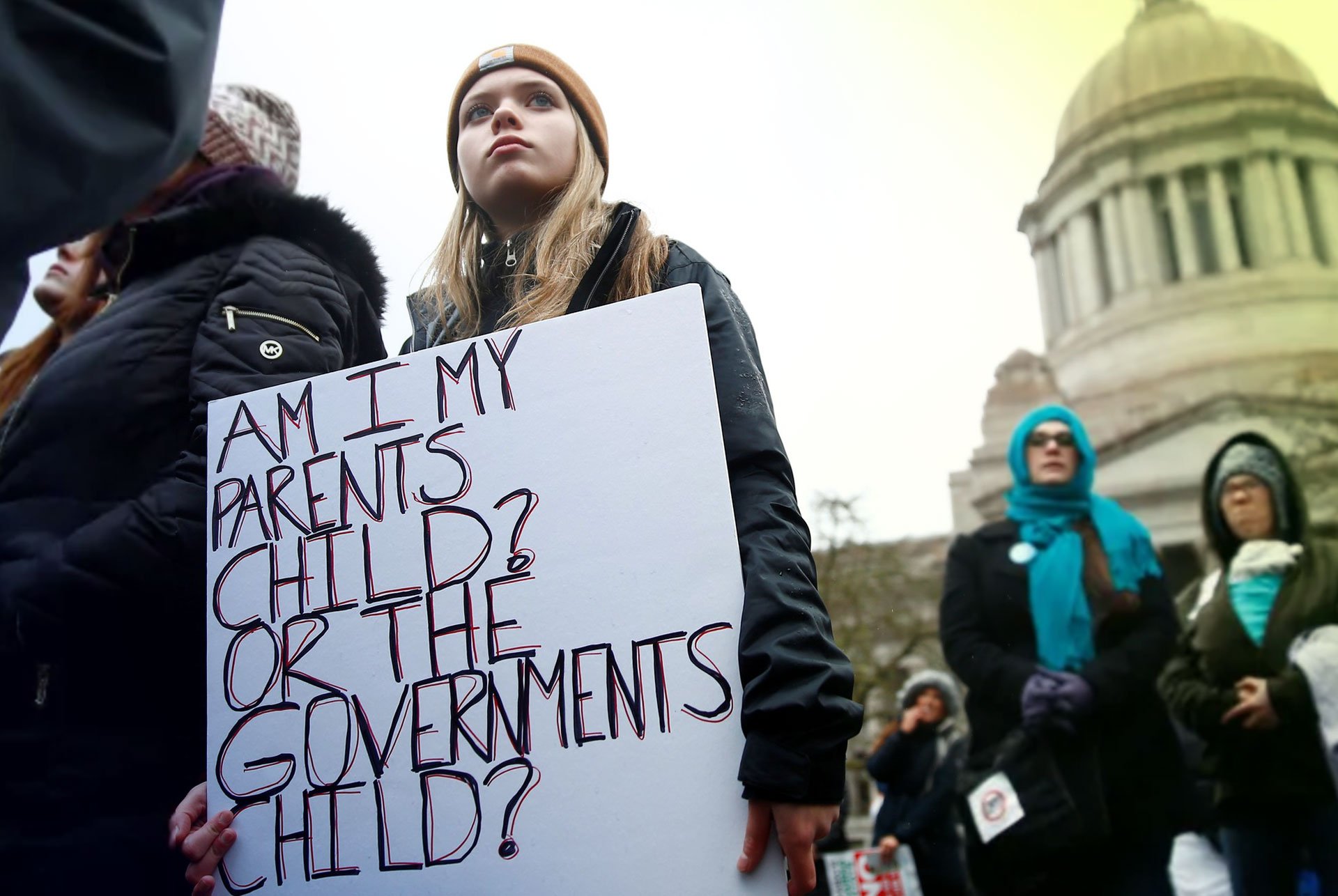
The goal of becoming better educated on child vaccination during this COVID-19 pandemic is, ultimately, to help you make better-informed decisions for your children. As parents, you have the right to choose what is best for your children. You should be able to exercise your parental rights in making critical medical decisions for your children.   

While regulations and policies are set in place to protect the greater good of the community, confusion has stemmed from conflicts within and between the medical industry and regulatory boards. With the ongoing debate on child vaccination for COVID-19, you need to weigh the evidences presented on each side and assess whether the benefits of vaccination truly outweigh the risks. 
The post Child Vaccination Against COVID-19: Who to Trust appeared first on The International Association for Child Vaccine Safety™.

]]>
https://kvunjsh4qfhtx44m.thechildvaccinesafetyassociation.org/child-vaccination-against-covid-19-who-to-trust/feed/ 0
To Vaccinate or Not? The Child COVID-19 Vaccination Debate https://kvunjsh4qfhtx44m.thechildvaccinesafetyassociation.org/to-vaccinate-or-not-the-child-covid-19-vaccination-debate/ https://kvunjsh4qfhtx44m.thechildvaccinesafetyassociation.org/to-vaccinate-or-not-the-child-covid-19-vaccination-debate/#respond Mon, 08 Nov 2021 09:00:23 +0000 https://kvunjsh4qfhtx44m.thechildvaccinesafetyassociation.org/?p=8102 The post To Vaccinate or Not? The Child COVID-19 Vaccination Debate appeared first on The International Association for Child Vaccine Safety™.

]]>

When watching the news or reading about the latest updates on the media, most of what we see and hear is either about COVID-19 or the new vaccine. Most recently, it has been about COVID-19 vaccination for children in the UK; despite the constant highlight on the vaccine, there are apparent conflicts in the advices from the Joint Committee on Vaccination and Immunisation (JCVI) and the Medicines and Healthcare products Regulatory Agency (MHRA), two leading authorities in the use of vaccines for the UK masses.  

On one side, the JCVI has recommended against the use of COVID-19 vaccines for children and adolescents. As an independent body of medical experts, they exist to advise UK health departments on immunisation. The committee is not alone in its fears of implementing a vaccine with unknown long-term effects on growing children who, throughout the pandemic, have proven to be significantly more resilient than their adult counterparts. However, the MHRA has moved to approve and implement a COVID-19 vaccine rollout through a school-administered vaccination program for those above 12 years of age. 

As parents, the task to vaccinate our children may not be an easy one to follow.  

When the vaccines were made available for adults, the choice was made simple. Despite its emergency approval, the vaccine was quickly distributed across the country. Through mass vaccination programs, people were supposedly getting themselves protected. However, the message was clear: we need to build herd immunity. It became each person’s responsibility to protect themselves and the community.  

But, even with nearly 90% of the adult population becoming fully vaccinated, there has still been a third wave of COVID-19 cases. This year, daily cases are matching or even surpassing the numbers from before vaccines were given. In response, they are now giving booster shots to fortify people’s immunity.  

The benefit of being vaccinated is that it should help the body build immunity against the disease, create antibodies, improve your immune response, and effectively provide you with the protection you need. With the recent overwhelming cases of COVID-19, there have been several “breakthrough” cases that have brought the vaccine’s efficacy into question.  

Many medical professionals have advocated to pause the vaccine rollout to minors so people can properly assess the benefits and the risks of the vaccines. 

Vaccination For Children and Adolescents 


Through the recent vaccine rollout, children as young as 12 years old will be receiving their first dose of the Pfizer-BioNTech vaccine. While parental consent will be required, health professionals may administer a Gillick Competency test to determine whether a child can decide to get the vaccine even without parental consent.  

Critical medical decisions, such as the choice of taking an experimental vaccine, is a parental right and responsibility. However, kids may now have an opportunity to make their own decisions regarding this matter. 

Parents can still uphold their parental authority by informing and guiding their children. It is important that you let the school know of your position with regard to vaccination. But it is even more critical that you consider the risks of the vaccine itself against the risk of the disease before coming to any preformed conclusions. 

By analysing the benefit, cost, and risk of child vaccination, several recommendations from medical professionals and experts in the industry have advised against the immunisation of children, adolescents, and young adults. Dr. Ros Jones, a retired pediatrican and representative of the Health Advisory and Recovery Team (HART), has shared concern over the ethics of vaccinating children who are at low risk for COVID-19 when the potential late-onset effects from the vaccines have not been ruled out and could take an indefinite amount of time to become evident.  

Potential Risk of the Vaccine 

As a vaccine that has only been approved for emergency use, they have only undergone the minimum required clinical testing for approval. While clinical trials have proven that it is effective in building immunity against SARS-CoV-2, there have also been several cases of vaccinated people suffering from an array of side effects, ranging from minimal to critical.    

Following their recent vaccine rollout for adolescents in the US, the Center for Disease Control and Prevention (CDC) advisory groups reviewed cases of myocarditis and pericarditis in adolescents and young adults after vaccination. They found that this inflammation of the heart can be linked to the COVID-19 vaccines.  

COVID-19 Risk in Children   

The disease risk for those under 20 is almost insignificant, with more children and adolescents recovering and experiencing minimal symptoms than becoming severely ill or dying from the disease.   

A review of child mortality in England during the COVID-19 pandemic has found that there has been no significant increase in child deaths during the pandemic. When comparing all-cause mortality and death from COVID-19 in children and adolescents below 18 years old, less than 0.3% of the child deaths during the pandemic were due to COVID-19.   

For children, the risk of being admitted to the ICU due to COVID-19 is 1 in 50,000.   

The risk of a child dying from COVID-19 is 1 in 2 million.   

For adults, seniors, and those with co-morbidities, the risk associated with COVID-19 has been shown to be extremely high. The risk of COVID-19 has led to WHO issuing a global pandemic where countries have implemented lockdown, social distancing measures, and several other restrictions to prevent the further spread of the disease.  

While the adult mortality rate of COVID-19 is high enough to warrant the emergency approval of a vaccine to promote herd immunity, the child mortality rate of COVID-19 is significantly lower. Coupled with the observed risks of the vaccine and a potential need for regular booster shots, the scale weighing the benefits and the risks of the vaccine should now guide you in the choices you make for the health and safety of your children. 

The post To Vaccinate or Not? The Child COVID-19 Vaccination Debate appeared first on The International Association for Child Vaccine Safety™.

]]>
https://kvunjsh4qfhtx44m.thechildvaccinesafetyassociation.org/to-vaccinate-or-not-the-child-covid-19-vaccination-debate/feed/ 0
Influencing the Vaccination Decision https://kvunjsh4qfhtx44m.thechildvaccinesafetyassociation.org/influencing-the-vaccination-decision/ https://kvunjsh4qfhtx44m.thechildvaccinesafetyassociation.org/influencing-the-vaccination-decision/#respond Wed, 03 Nov 2021 13:44:40 +0000 https://kvunjsh4qfhtx44m.thechildvaccinesafetyassociation.org/?p=8146 The post Influencing the Vaccination Decision appeared first on The International Association for Child Vaccine Safety™.

]]>

With 367 million doses from seven vaccine developers and producers, the United Kingdom has one of the highest vaccination rates worldwide. Countries in the UK are just some countries that have placed orders long before the approval stage to secure early access. They even provided support to the research funding of the Oxford vaccine.  

As of October 30, 2021, almost 50 million people in the UK have been given the first dose of the COVID-19 vaccine, while 86.9% of people aged 12 and over have had their first jab. 45.7 million people in the UK received both doses of vaccines. Recently, the UK government’s vaccination strategies moved towards vaccinating younger school-aged students through school-based vaccine programs.  

Children in the UK are given their vaccines at school during school hours. Even children who do not go to schoolwill be offered a vaccine. Parents are given a letter or email to notify them when the vaccine will be offered to their children and ask for their consent. Meanwhile, if children miss their COVID-19 vaccination schedule, they will be offered again at a later date. So far, Pfizer-BioNTech is the only authorized vaccine for persons aged 12 to 17 years old.

Because children are more likely to follow the policies set by the school administration and be influenced by other children in their class who have been vaccinated, these children may receive jabs despite their hesitancies or even against their parent’s wishes. Since kids are easily influenced by their peers and do not want to be isolated from them, they tend to do what most of the people around them are doing; they will also want to get vaccinated if others are also vaccinated.  

An article published on inews in September says that rushing COVID vaccines for children, especially for those 12 to 15-years-olds could lead children to make decisions based on peer pressure. At that age, children are more likely to experience societal pressures with a longing to be fit in with their peers, leaving them susceptible to peer pressure. Those who are hesitant to get vaccinated can experience social deprivation and a lack of sense of belonging at their school.  

Meanwhile, according to the Vaccines Minister, Nadhim Zahawi, if parents disagree with the vaccines but a child is deemed competent, they will be able to overrule their parents in deciding based on a concept called Gillick competence. 

To further convince parents and children to get vaccinated, the government uses different strategies to promote child vaccination. There are millions of iconic cartoon characters that are equally liked and celebrated by both adults and children across the globe. Although they were originally meant to entertain kids, nowadays, cartoons have also been extensively used for various purposes, such as educating children and spreading awareness.  

One of the most popular cartoons at present is Peppa Pig; its popularity has skyrocketed since the COVID-19 pandemic. Due to stricter COVID-19 restrictions, average hours of screen time for children increased. Between February 2020 and February 2021, Peppa Pig became the second most in-demand cartoon in the US, behind SpongeBob SquarePants. Due to its popularity, a children’s book entitled “Peppa gets a Vaccination” was published in September 2021 – the same month the UK government started the vaccine rollout for children 12 years old and above.  

Aside from administering the vaccines in schools and promoting it through cartoons, governments are hiring youtubers or social media influencers to promote child vaccination through some of the most famous social media applications: Tiktok and Instagram.  

With over 680 million active users of Tiktok worldwide and 1 billion Instagram users monthly, Tiktok and Instagram have been widely used by people not only for personal use but also for different purposes such as products and campaign promotion. Vaccine-promoting organisations are actively developing strategies to take advantage of the number of social media users to promote child vaccination further. 

In times of crisis, the power of social media manifests in its ability to influence social act and behavior without bureaucratic mechanisms. In June 2021, several social media influencers including the popular health and science content creators, said that a supposedly UK-based PR agency offered them large sums of money to share false information on COVID-19 vaccines. The non-profit news platform Radio Liberty has alleged that a Russian marketing companies’ network is behind the said campaigns targeting high-profile social media personalities to spread misinformation.  

Given all the strategies mentioned above promoting COVID-19 vaccines to children and parents, many things may influence them to vaccinate. And with the current program that the UK government has, children can get vaccinated even without the consent of their parents. Hence, as a parent, it is important for you to stay vigilant in educating your children and guiding them.  

Before deciding whether to vaccinate your kids or not, it is important to do your research first to ensure that your kids are in good hands. You must take up the role of being both a parent and a teacher to protect your kids from harm. With so much information circulating online, learning the facts before making a decision is essential. Assessing your risk through this Child Vaccination Quiz will allow you to determine critical next steps in your decisions on vaccination. 

The post Influencing the Vaccination Decision appeared first on The International Association for Child Vaccine Safety™.

]]>
https://kvunjsh4qfhtx44m.thechildvaccinesafetyassociation.org/influencing-the-vaccination-decision/feed/ 0