
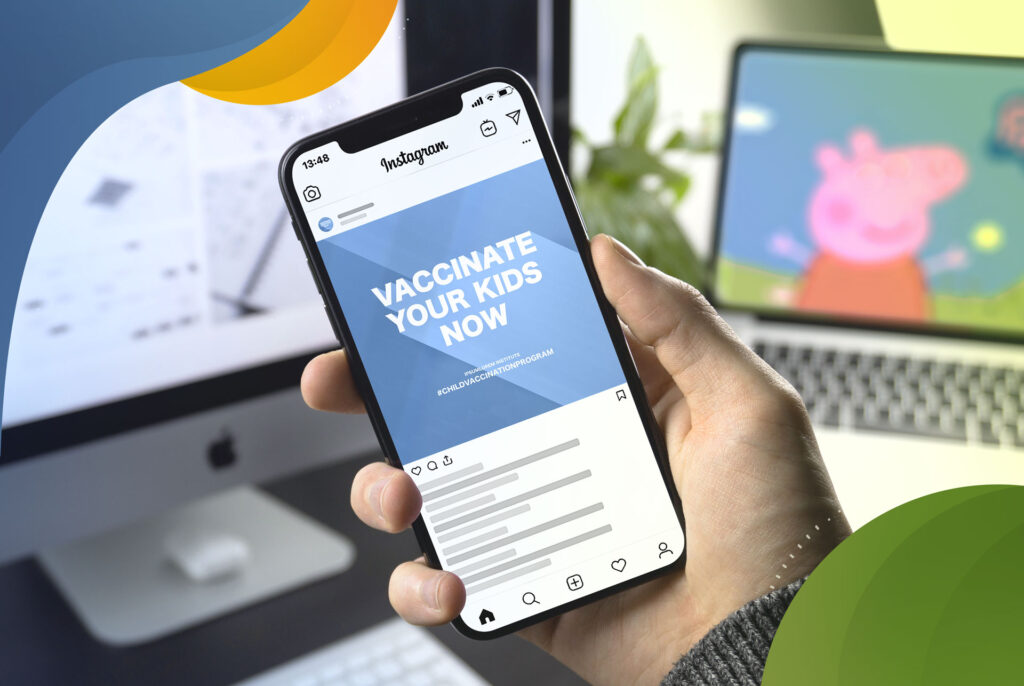
With 367 million doses from seven vaccine developers and producers, the United Kingdom has one of the highest vaccination rates worldwide. Countries in the UK are just some countries that have placed orders long before the approval stage to secure early access. They even provided support to the research funding of the Oxford vaccine.
As of October 30, 2021, almost 50 million people in the UK have been given the first dose of the COVID-19 vaccine, while 86.9% of people aged 12 and over have had their first jab. 45.7 million people in the UK received both doses of vaccines. Recently, the UK government’s vaccination strategies moved towards vaccinating younger school-aged students through school-based vaccine programs.
Children in the UK are given their vaccines at school during school hours. Even children who do not go to schoolwill be offered a vaccine. Parents are given a letter or email to notify them when the vaccine will be offered to their children and ask for their consent. Meanwhile, if children miss their COVID-19 vaccination schedule, they will be offered again at a later date. So far, Pfizer-BioNTech is the only authorized vaccine for persons aged 12 to 17 years old.
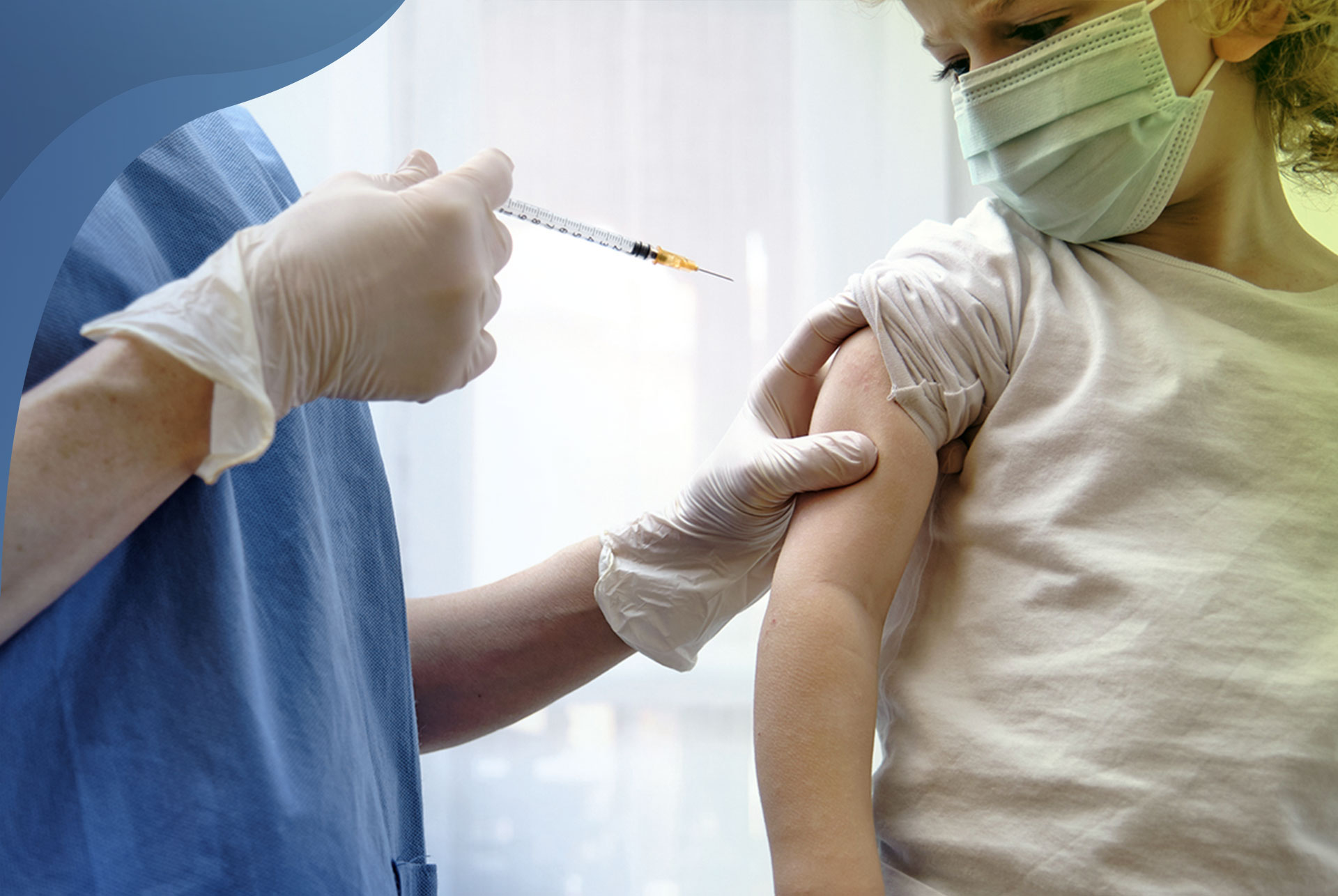
Because children are more likely to follow the policies set by the school administration and be influenced by other children in their class who have been vaccinated, these children may receive jabs despite their hesitancies or even against their parent’s wishes. Since kids are easily influenced by their peers and do not want to be isolated from them, they tend to do what most of the people around them are doing; they will also want to get vaccinated if others are also vaccinated.
An article published on inews in September says that rushing COVID vaccines for children, especially for those 12 to 15-years-olds could lead children to make decisions based on peer pressure. At that age, children are more likely to experience societal pressures with a longing to be fit in with their peers, leaving them susceptible to peer pressure. Those who are hesitant to get vaccinated can experience social deprivation and a lack of sense of belonging at their school.
Meanwhile, according to the Vaccines Minister, Nadhim Zahawi, if parents disagree with the vaccines but a child is deemed competent, they will be able to overrule their parents in deciding based on a concept called Gillick competence.
To further convince parents and children to get vaccinated, the government uses different strategies to promote child vaccination. There are millions of iconic cartoon characters that are equally liked and celebrated by both adults and children across the globe. Although they were originally meant to entertain kids, nowadays, cartoons have also been extensively used for various purposes, such as educating children and spreading awareness.
One of the most popular cartoons at present is Peppa Pig; its popularity has skyrocketed since the COVID-19 pandemic. Due to stricter COVID-19 restrictions, average hours of screen time for children increased. Between February 2020 and February 2021, Peppa Pig became the second most in-demand cartoon in the US, behind SpongeBob SquarePants. Due to its popularity, a children’s book entitled “Peppa gets a Vaccination” was published in September 2021 – the same month the UK government started the vaccine rollout for children 12 years old and above.
Aside from administering the vaccines in schools and promoting it through cartoons, governments are hiring youtubers or social media influencers to promote child vaccination through some of the most famous social media applications: Tiktok and Instagram.
With over 680 million active users of Tiktok worldwide and 1 billion Instagram users monthly, Tiktok and Instagram have been widely used by people not only for personal use but also for different purposes such as products and campaign promotion. Vaccine-promoting organisations are actively developing strategies to take advantage of the number of social media users to promote child vaccination further.
In times of crisis, the power of social media manifests in its ability to influence social act and behavior without bureaucratic mechanisms. In June 2021, several social media influencers including the popular health and science content creators, said that a supposedly UK-based PR agency offered them large sums of money to share false information on COVID-19 vaccines. The non-profit news platform Radio Liberty has alleged that a Russian marketing companies’ network is behind the said campaigns targeting high-profile social media personalities to spread misinformation.
Given all the strategies mentioned above promoting COVID-19 vaccines to children and parents, many things may influence them to vaccinate. And with the current program that the UK government has, children can get vaccinated even without the consent of their parents. Hence, as a parent, it is important for you to stay vigilant in educating your children and guiding them.
Before deciding whether to vaccinate your kids or not, it is important to do your research first to ensure that your kids are in good hands. You must take up the role of being both a parent and a teacher to protect your kids from harm. With so much information circulating online, learning the facts before making a decision is essential. Assessing your risk through this Child Vaccination Quiz will allow you to determine critical next steps in your decisions on vaccination.