Children of today are the adults of tomorrow.
However, with the threat of the ongoing pandemic, the future of this youngest generation seems to be getting bleaker by the minute. Their days are filled with fear and panic as the world continues to battle the chaos brought about by COVID-19. And their lives are left in limbo until the day comes that this corona virus pandemonium comes into a conclusion.
It may seem like the children are kept out of harm’s way as the adult populace deal with this massive and global problem. Measures to mitigate and contain the spread of infection from one community to another are placed to safeguard everyone, especially the little ones.
But are they really entirely spared from the effects of the COVID-19 pandemic?
Let’s take a closer look.
The goal for raising children is a universally-acknowledged one. We want to advocate for and promote positive development in them in all aspects. To do this, keeping their environment safe and sound is a top priority.
As a natural response, we try and keep harmful bacteria and viruses from disrupting our children’s developing body systems. To a certain extent, we become absolutely wary of introducing foreign ingredients into their bloodstreams. And it is only logical for us to be skeptical, especially when proposed solutions have yet to undergo extensive evaluation processes, like treatments approved solely for emergency use.
Sadly, as parents and caregivers struggle to achieve this already challenging goal, the impact of COVID-19 on children only makes things worse.
In terms of the physical aspect of their health, children are on the receiving end of the following causes for concern:
Uncertain risk for illness
At the start of the pandemic, the threat of the virus itself seemed to only affect the adult members of the population. As more and more people from this age group suffer from the novel corona virus, parents sighed a breath of relief, thinking that children were not included in its potential victims.
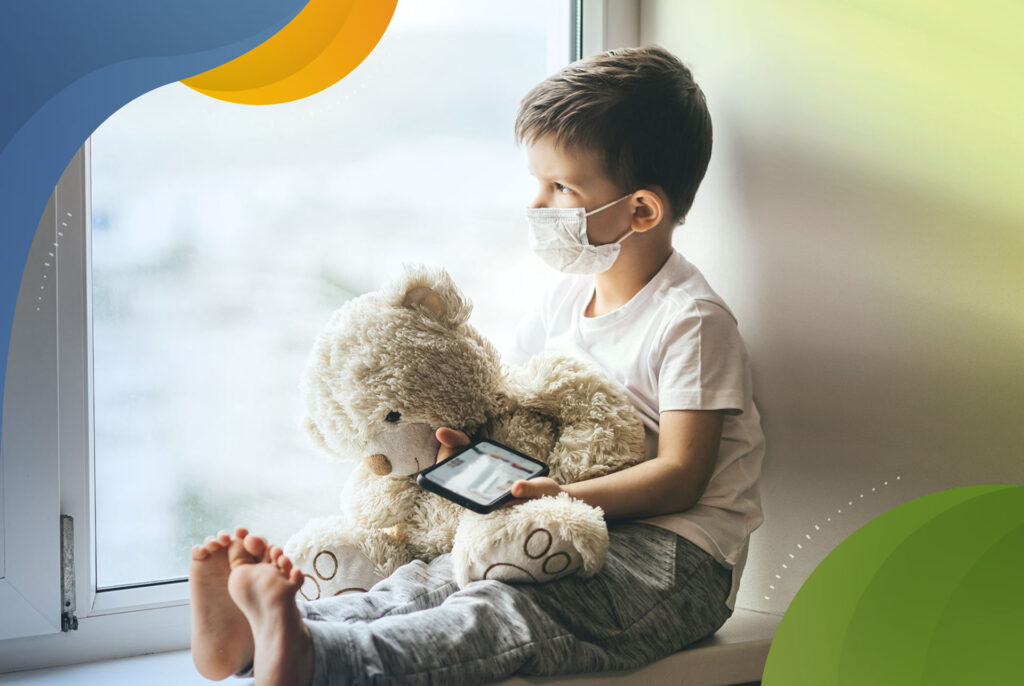
But as the virus itself found a way to evolve and become easily transmissible, children were caught in the cross fire. They were soon dubbed as either symptomatic patients (those who exhibited the symptoms of the disease) or potential yet asymptomatic carriers (meaning those who can spread the virus to others without actually showing indications that they are ill).
Eventually, children felt the direct effects (aka physical effects) of COVID-19. Some came down with mild infections, while others, especially those who are immunocompromised and/or with pre-existing co-morbidities, suffered from the severe form of the disease. There have been even reports of children experiencing what is now known as long COVID (i.e. a prolonged manifestation of the symptoms of the disease for about a month or two).
But perhaps even more alarming is the seemingly lack of confidence on the child’s natural immunity. Despite voiced out arguments that believe in a healthy child’s ability to keep the infection at bay, authorities seem to lean in favor of other unnatural methods to protect children’s physical health. Even worse, it will take some time before we realize the effects these rushed countermeasures have on every child as responses are unique to each individual.
Limiting lockdowns
Lockdowns in response to the spread of COVID-19 have also affected the physical health of children.
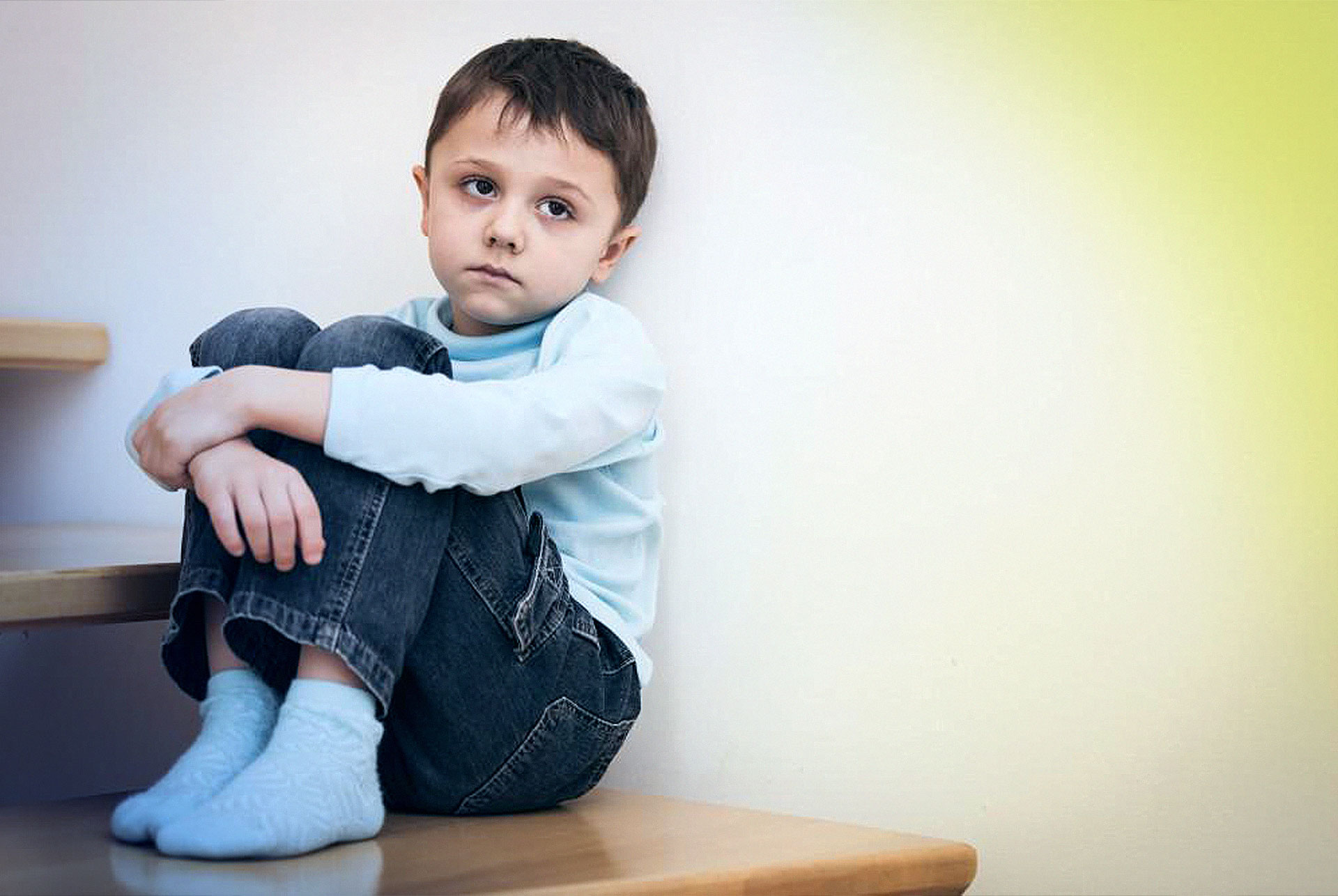
This is especially felt by children who belong to low-income families, where they have to isolate in cramped and/or unsanitary homes or spaces. Imagine trying to avoid contracting a disease and practice social-distancing in a community or home where it is physically-impossible to do so.
What’s even worse is what was already a reduced access to proper healthcare has turned into a totally disrupted delivery of services. Things such as sanitation and immunization programs have now become even more elusive to a percentage of children all over the world. And in an era where hygiene and stronger immune systems determine a child’s chances of survival, this is truly catastrophic.
Similarly, children’s physical health stand to suffer in the form of malnutrition amidst the global pandemic. Mandated lockdowns and logistics restrictions affect not only the delivery of food and commodities. More importantly, these pandemic-induced policies stand to affect industries where the underprivileged families depend on. As a result, children in these households feel the dire consequences of a family having to cut back on expenses where, oftentimes, basic nutrition and medication are constant trade-offs.
Loss of Physical activity
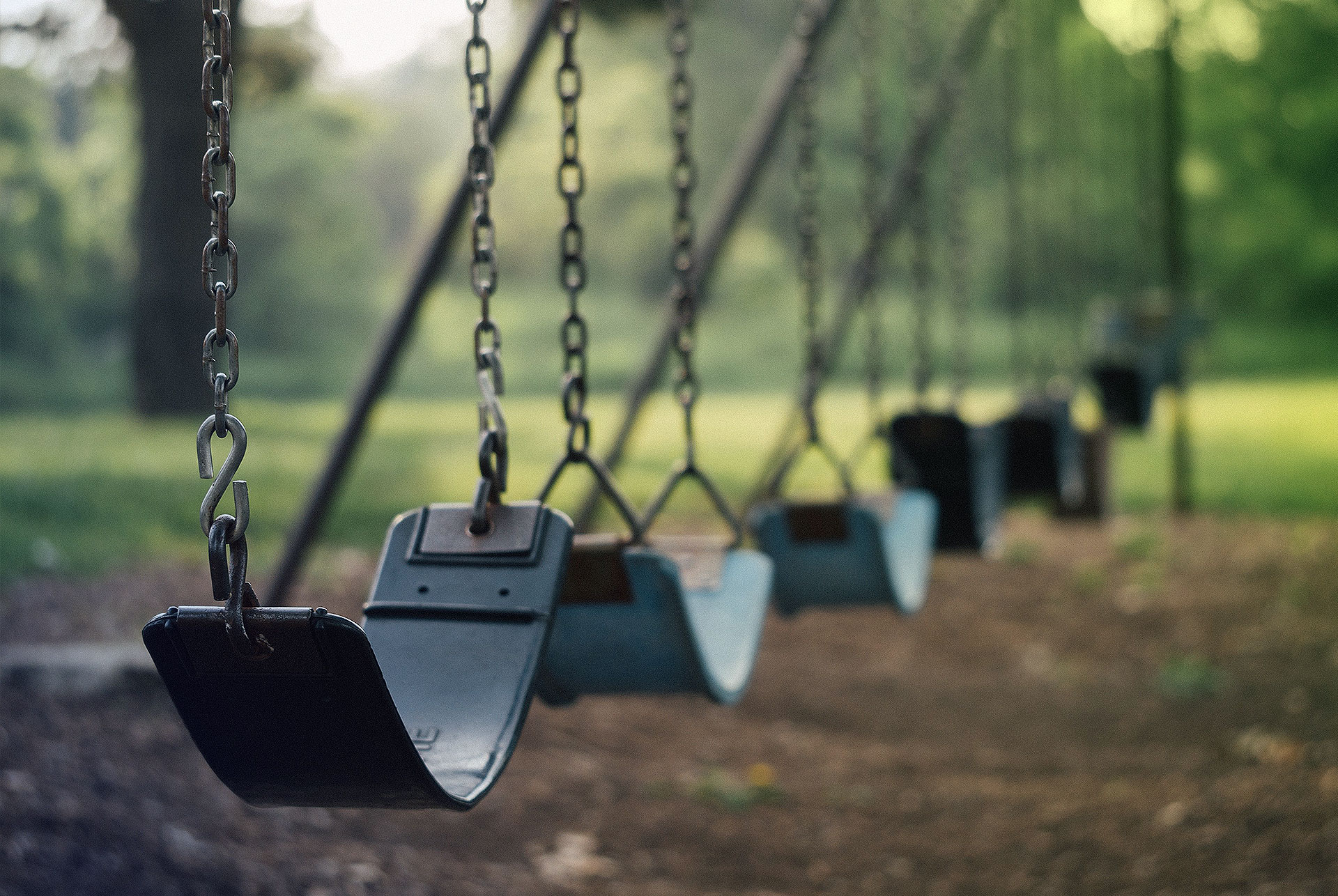
The effect of government-mandated COVID-19 lockdowns have also exacerbated the growing problem of sedentary lifestyle among the youth.
Time and again, it has been established and reiterated that physical activity in children is of utmost importance. Regardless if your child is a toddler who is just beginning to take his first steps, a preschooler/school-aged child in need of constant movement, or even an adolescent, no child is ever exempt for this aspect of growth and development.
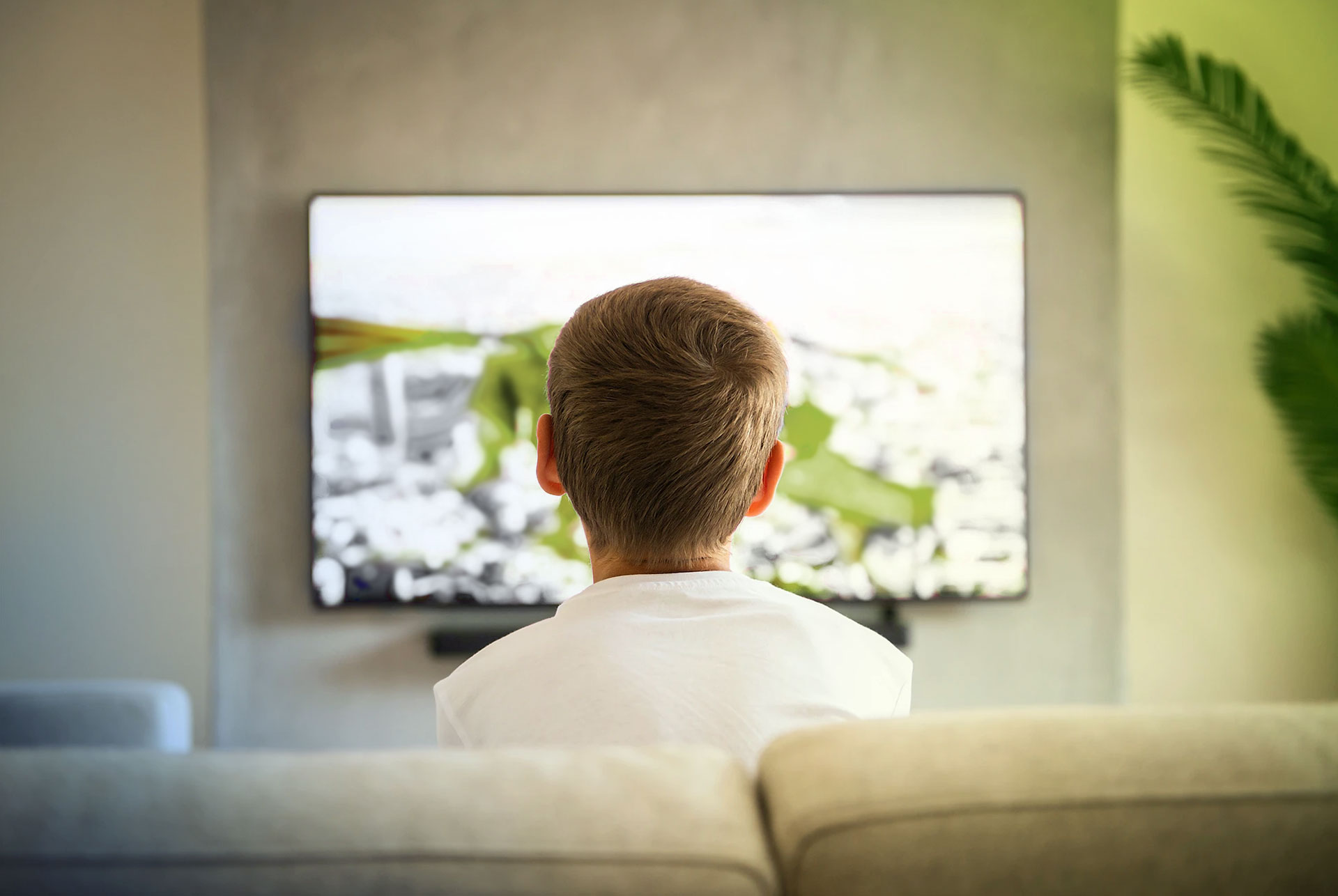
Several studies have looked into the physical activity levels of children during the pandemic and have reported significant decrease in movement and exercise among kids. Even worse, there seems to be an increased time spent in front of screens and gadgets, leading to unintended poor health habits such as sedentary behavior and imbalanced diet.
This loss of physical activity may also affect a child’s ability to build a stronger immune system, seeing as studies also point to exercise and movement as effective modulators of the body’s line of defense.
To conclude, the physical impact of COVID-19 in children is a problem that needs to be addressed in the most efficient and effective manner. To do this, we adults must do our part in making sure these little humans receive the best possible solution there is.
We need to make sure that as we protect the society that adults live in, we are also giving enough premium to children’s welfare. This includes careful environmental assessments and more research in terms of what policies and treatments we subject our children to. We need to understand that there is still no substitute to a child’s natural immune system defense. And that having to comply with these imposed lockdowns to keep infections at bay results in loss of physical activity that has grave implications in the long run.